
Gas plants play an important role in modern industries by supporting the processing, storage, and distribution of natural gas and other industrial gases. These facilities require specialized engineering, advanced equipment, strict safety standards, and professional construction management.
Choosing experienced gas plant construction contractors is essential for developing a reliable, efficient, and safe industrial facility. From initial planning and engineering to equipment installation and final commissioning, professional contractors help ensure that every stage of the project meets industry requirements.
Whether you are planning a new gas processing facility, expanding an existing plant, or upgrading industrial infrastructure, selecting the right construction partner can make a significant difference to your project’s success.
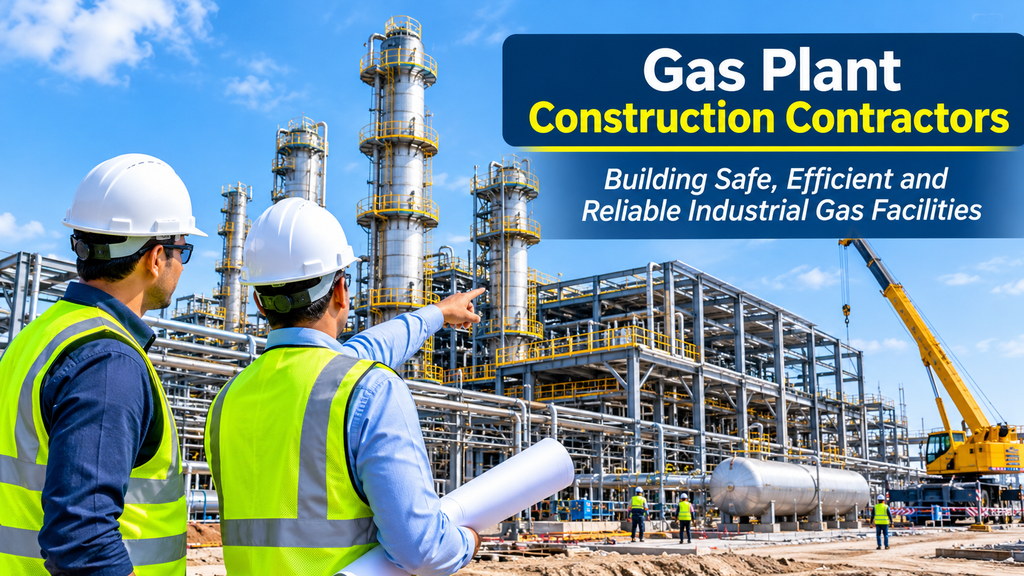
1. What Is Gas Plant Construction?
Gas plant construction involves designing, engineering, and developing industrial facilities used for processing, treating, compressing, storing, and handling gases.
These plants are designed to manage different industrial operations while maintaining safety, efficiency, and environmental compliance.
Gas plant projects may include:
- Natural gas processing plants
- Industrial gas manufacturing facilities
- Gas compression stations
- LPG storage and handling facilities
- Gas distribution infrastructure
- Industrial gas treatment plants
- Gas pipeline-related facilities
Each project requires specialized planning and construction methods depending on its purpose, capacity, location, and operational requirements.
2. Importance of Professional Gas Plant Construction Contractors
Gas plant construction is a specialized industrial activity that requires technical knowledge and proper project coordination. Hiring experienced contractors helps businesses manage complex construction requirements.
Professional contractors contribute to:
Technical Expertise: Experienced teams understand industrial construction requirements, structural engineering, equipment foundations, and plant layouts.
Project Planning: Proper planning helps establish project timelines, resource requirements, construction activities, and budgets.
Safety Management: Gas-related facilities involve potentially hazardous materials. Contractors must follow applicable safety procedures and engineering standards.
Quality Construction: Professional supervision and quality checks help ensure that structures and installations meet approved specifications.
Timely Project Completion: Effective coordination between engineers, suppliers, technicians, and construction teams helps reduce unnecessary delays.
3. Major Services Offered by Gas Plant Construction Contractors
A professional gas plant construction contractor may provide a range of services depending on the project scope.
A. Industrial Civil Construction
Civil construction forms the foundation of every gas plant project. It includes site preparation, excavation, foundation work, concrete structures, drainage systems, and industrial flooring.
Strong foundations are essential for supporting heavy machinery, compressors, storage tanks, and other industrial equipment.
B. Structural Steel Fabrication and Installation
Gas plants require durable steel structures to support equipment, pipelines, platforms, access systems, and industrial buildings.
Contractors coordinate structural fabrication and installation according to approved engineering drawings and project specifications.
C. Equipment Foundation Construction
Industrial equipment requires properly designed foundations to preserve stability and operational reliability.
Construction work may include foundations for compressors, pumps, pressure vessels, storage tanks, and other heavy machinery.
D. Industrial Pipeline Infrastructure
Pipeline systems are an important part of gas plant operations. Their design, fabrication, installation, inspection, and testing must be handled by qualified specialists.
Proper pipeline construction supports safe gas transportation and efficient plant operations.
E. Plant Building and Infrastructure Development
Gas plant projects may also require administrative buildings, control rooms, electrical rooms, equipment shelters, warehouses, and utility structures.
Experienced contractors coordinate these construction activities to create an organized industrial facility.
4. Key Factors to Consider Before Starting a Gas Plant Construction Project
Before starting a gas plant construction project, businesses should carefully evaluate several important factors.
1. Site Selection: Choose a suitable location based on land availability, accessibility, transportation facilities, utilities, and applicable industrial zoning regulations.
2. Engineering and Design: Proper engineering designs help determine the plant layout, structural requirements, equipment locations, and utility infrastructure.
3. Safety Requirements: Gas plants must follow applicable fire safety, industrial safety, environmental, and statutory requirements.
4. Project Budget: Prepare a detailed budget covering civil construction, structural fabrication, equipment foundations, labor, materials, and project management.
5. Regulatory Approvals: Obtain the necessary permissions, licenses, and approvals from relevant authorities before beginning construction.
5. Modern Technology in Gas Plant Construction
Modern technology has improved the way industrial gas facilities are designed and constructed. Advanced construction methods help improve project coordination, quality, and operational functionality.
Some important technologies include:
- 3D Plant Modelling: Helps visualize plant layouts and identify potential design conflicts.
- Building Information Modelling (BIM): Supports better coordination between engineering and construction teams.
- Advanced Structural Design: Improves the planning of industrial buildings and equipment-supporting structures.
- Digital Project Monitoring: Helps track construction progress, material requirements, and project schedules.
- Modern Inspection Systems: Support quality checks and documentation during construction.
Using suitable technologies can help reduce construction errors and improve overall project management.
6. Importance of Safety and Quality Standards
Safety is one of the most important aspects of gas plant construction. Since these facilities may handle flammable, pressurized, or hazardous gases, every construction activity requires careful supervision.
Important safety and quality considerations include:
- Following applicable industrial safety regulations.
- Using approved construction materials.
- Conducting structural inspections and quality testing.
- Ensuring proper fire protection infrastructure.
- Following approved welding and fabrication procedures.
- Maintaining construction and inspection records.
- Coordinating with qualified safety and engineering professionals.
Contractors should follow applicable Indian regulations and relevant industry standards, depending on the type of gas facility and project requirements.
7. How to Choose the Right Gas Plant Construction Contractors
Selecting the right contractor is an important decision for any industrial development project. A reliable construction partner should have the technical capabilities, workforce, and project management experience required for the work.
Consider these factors before making your decision:
Industry Experience: Check the contractor’s experience in industrial construction and similar infrastructure projects.
Technical Capabilities: Ensure the team can manage the required civil, structural, fabrication, and infrastructure work.
Quality Standards: Review their construction quality procedures, material specifications, and inspection processes.
Project Management: Choose contractors who can coordinate resources, timelines, suppliers, and construction activities.
Legal Documentation: Verify relevant registrations, licenses, insurance, and statutory compliance.
Previous Projects: Review completed projects and client feedback to understand the contractor’s work quality and reliability.
A professional contractor should also provide clear project documentation, transparent communication, and proper coordination throughout the construction process.
8. Benefits of Hiring Experienced Industrial Construction Contractors
Working with experienced industrial construction contractors offers several advantages.
- Better project planning and execution.
- Improved construction quality.
- Efficient workforce and resource management.
- Better coordination between different project teams.
- Reduced construction delays.
- Proper documentation and quality control.
- Reliable industrial infrastructure.
The right construction partner helps businesses develop facilities that meet their operational requirements while maintaining safety and quality.
9. Why Professional Project Management Matters
Gas plant construction involves multiple activities that must be completed in the correct sequence. Poor coordination can result in delays, increased costs, and construction challenges.
Professional project management helps organize every stage, including planning, procurement, site preparation, civil work, structural installation, and coordination with specialist engineering teams.
Regular progress monitoring, quality inspections, and communication between stakeholders help maintain project standards.
A well-managed construction project provides a stronger foundation for future industrial operations and facility expansion.
10. Conclusion
Gas plant construction requires specialized planning, reliable infrastructure, quality materials, and professional execution. From civil foundations and structural steelwork to industrial buildings and supporting infrastructure, every component contributes to the overall performance of the facility.
Choosing reliable gas plant construction contractors helps businesses manage construction activities efficiently and develop safe, durable, and functional industrial facilities.
Before selecting a contractor, evaluate their experience, technical capabilities, quality standards, safety practices, and project management approach. The right construction partner can help turn your industrial development plans into successful projects.
Frequently Asked Questions (FAQs)
Q1. What do gas plant construction contractors do?
Gas plant construction contractors manage industrial construction activities such as site development, civil construction, structural fabrication, equipment foundations, and supporting infrastructure.
Q2. What types of gas plants require construction services?
Construction services may be required for natural gas processing plants, LPG facilities, industrial gas plants, gas compression stations, and gas storage infrastructure.
Q3. Why is safety important in gas plant construction?
Gas facilities may handle flammable and pressurised materials. Proper safety planning, quality inspections, and regulatory compliance help minimise construction and operational risks.
Q4. How do I choose the best gas plant construction contractor?
Evaluate the contractor’s industrial construction experience, technical capabilities, completed projects, quality standards, safety procedures, and project management expertise.
Q5. What are the main stages of gas plant construction?
The main stages generally include planning, engineering, site preparation, civil construction, structural work, equipment installation, inspection, and commissioning.
Q6. How long does gas plant construction take?
The timeline depends on plant capacity, project complexity, site conditions, engineering requirements, equipment availability, and regulatory approvals.
Q7. What approvals are required for gas plant construction in India?
Approvals depend on the facility type and scope. They may include environmental clearances, factory-related permissions, fire safety approvals, and applicable PESO or other regulatory approvals.