
Commercial construction plays an important role in supporting business growth and infrastructure development. From office buildings and retail spaces to industrial facilities, warehouses, and commercial complexes, businesses need well-planned and professionally constructed spaces to operate efficiently.
Navi Mumbai has become an important destination for commercial and industrial development. Areas such as Vashi, Turbhe, Mahape, Airoli, Taloja, Panvel, and Kharghar continue to attract businesses, investors, and developers. This growth has increased the demand for experienced commercial construction contractors in Navi Mumbai who can manage projects from initial planning to final execution.
Choosing the right construction contractor is necessary for maintaining quality, managing costs, meeting project deadlines, and ensuring that the building meets its intended purpose. This guide explains commercial construction services, important project stages, and factors to consider when selecting a contractor.
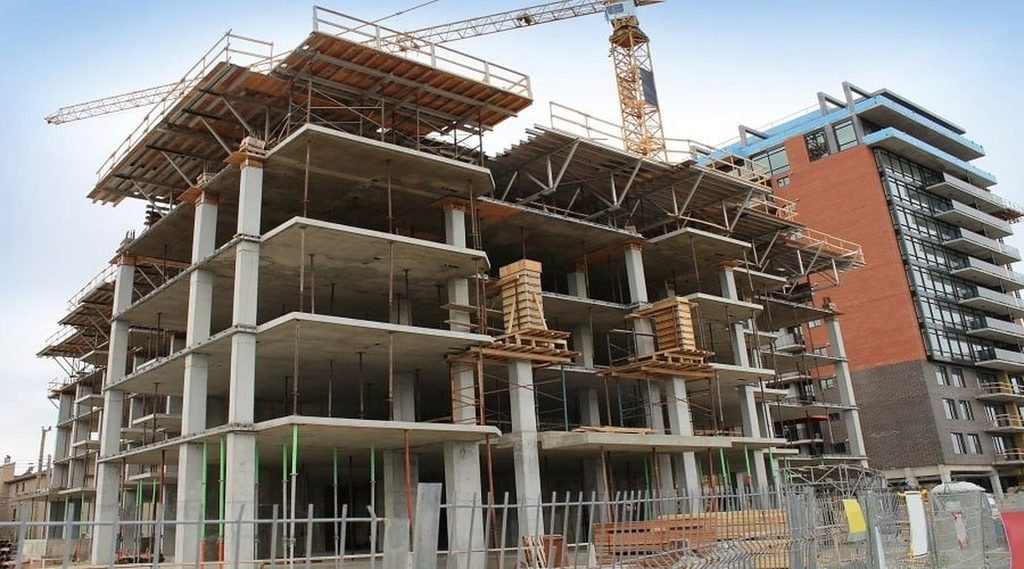
1. Understanding Commercial Construction
Commercial construction involves developing buildings and infrastructure for business, industrial, institutional, and other commercial purposes. These projects require careful planning, structural engineering, suitable materials, and professional execution.
Unlike residential construction, commercial projects often involve larger spaces, specialized building requirements, and complex structural systems.
Common commercial construction projects include:
- Office buildings and corporate spaces
- Shopping complexes and retail outlets
- Commercial warehouses and storage facilities
- Industrial buildings and factory structures
- Business parks and commercial complexes
- Workshops and manufacturing facilities
- Institutional and administrative buildings
Professional contractors coordinate different construction activities to ensure that each project meets its functional, structural, and operational requirements.
2. Why Navi Mumbai Needs Professional Commercial Construction Contractors
Navi Mumbai offers significant opportunities for commercial and industrial development because of its growing business infrastructure and connectivity.
The presence of industrial zones, business parks, logistics facilities, and developing commercial areas creates demand for reliable construction services.
Experienced commercial construction contractors help businesses by providing:
- Professional project planning: Organizing construction activities according to project requirements.
- Structural expertise: Developing safe and practical structural designs.
- Quality construction: Selecting suitable materials and following approved specifications.
- Cost management: Planning resources and monitoring construction expenses.
- Project coordination: Managing engineers, architects, suppliers, and construction teams.
- Timely execution: Scheduling activities to minimize unnecessary delays.
A professional contractor understands the technical requirements of commercial buildings and coordinates the work required to complete projects efficiently.
3. Major Services Offered by Commercial Construction Contractors
Commercial construction involves several specialized services. Businesses should select contractors who can manage the services required for their projects.
A. Commercial Building Construction
Commercial building construction includes developing offices, showrooms, retail spaces, business premises, and commercial complexes.
Contractors manage foundation work, structural development, masonry, roofing, flooring, electrical installations, plumbing, and finishing activities.
They coordinate different stages to create functional buildings that meet the client’s requirements.
B. Industrial Building Construction
Industrial construction requires specialized planning because factories and manufacturing facilities have different operational requirements.
These projects may include production areas, storage spaces, equipment foundations, heavy-duty flooring, utility installations, and other industrial infrastructure.
C. Factory Shed and Warehouse Construction
Factory sheds and warehouses provide essential space for manufacturing, storage, and distribution activities.
Depending on project requirements, contractors may construct conventional RCC structures or steel-based and pre-engineered buildings (PEB).
The design considers building dimensions, structural loads, ventilation, material handling, and future expansion requirements.
D. Architectural and Structural Design
Proper design establishes the foundation for successful commercial construction.
Architectural planning focuses on building layouts, space utilization, accessibility, and appearance. Structural engineering ensures that the building can safely withstand the loads specified in the design.
Coordination between architects and structural engineers helps avoid design conflicts during construction.
E. Renovation and Building Expansion
Businesses may require additional space or modifications as their operations grow.
Commercial contractors can manage renovation, structural improvements, additional floors where permitted, interior modifications, and building extensions based on technical assessments and applicable approvals.
4. Important Stages of a Commercial Construction Project
A well-organized construction process helps maintain quality and reduce project-related complications.
Step 1: Site Inspection and Feasibility Study
Contractors inspect the site, evaluate soil conditions, understand land dimensions, and identify project requirements. This assessment helps determine the feasibility of the proposed development.
Step 2: Planning and Design
Architects and engineers prepare layouts, structural drawings, and construction plans according to the building’s intended use.
Step 3: Approvals and Documentation
The project team identifies the necessary permissions, building approvals, and statutory requirements from the relevant authorities before starting construction.
Step 4: Foundation and Structural Work
Construction begins with excavation, foundation development, and structural work. Engineers supervise these activities to ensure that the work follows approved drawings and specifications.
Step 5: Electrical, Plumbing, and Utility Installation
Contractors coordinate electrical systems, plumbing, drainage, fire protection, ventilation, and other building services.
Step 6: Finishing and Final Inspection
The final stage includes flooring, painting, doors, windows, external finishing, and necessary quality inspections before handover.
5. How to Choose the Right Commercial Construction Contractor in Navi Mumbai
Selecting a reliable contractor can significantly influence the success of a commercial construction project.
Consider these important factors before making your decision:
- Industry experience: Look for contractors with experience in commercial and industrial construction.
- Previous projects: Review completed projects to understand their construction quality and capabilities.
- Technical expertise: Ensure the contractor has access to qualified engineers, architects, and skilled workers.
- Transparent pricing: Request a detailed quotation covering materials, labor, equipment, and other expenses.
- Project management: Choose a contractor who follows proper scheduling, coordination, and progress monitoring.
- Safety standards: Check whether the contractor follows suitable site safety procedures.
- Documentation: Discuss contractual responsibilities, approvals, specifications, and payment schedules before starting work.
A detailed discussion with potential contractors helps you understand their working approach and determine whether they can meet your project requirements.
6. Factors That Influence Commercial Construction Costs
Commercial construction costs vary depending on the project’s size, design, location, materials, and technical requirements.
Some major cost-influencing factors include:
- Land and site conditions: Soil quality, site accessibility, and ground conditions affect preparation and foundation expenses.
- Building design: Architectural complexity and structural specifications influence overall costs.
- Construction materials: Steel, cement, concrete, bricks, glass, and finishing materials contribute to the project budget.
- Labor and machinery: Skilled labor, equipment, and machinery requirements affect execution expenses.
- Building services: Electrical installations, plumbing, fire safety, lifts, and ventilation add to construction costs.
- Project duration: Construction schedules, resource availability, and unexpected delays can influence the final budget.
Businesses should obtain a detailed cost estimate before starting construction and maintain a contingency budget for unforeseen expenses.
7. Importance of Quality and Safety in Commercial Construction
Quality and safety are essential throughout every stage of commercial construction.
Contractors should use materials that meet project specifications and follow approved engineering drawings. Regular inspections help identify construction defects and maintain workmanship standards.
Safety management is equally important. Construction sites should implement appropriate protective equipment, equipment inspections, worker training, and safe material-handling procedures.
Proper planning and supervision help create durable commercial buildings while reducing avoidable risks.
8. Commercial Construction Opportunities Across Navi Mumbai
Different locations in Navi Mumbai offer opportunities for commercial and industrial development.
Some important areas include:
- Vashi: Suitable for office spaces, commercial buildings, and retail developments.
- CBD Belapur: An established administrative and commercial business destination.
- Mahape: An important location for IT offices, business parks, and industrial facilities.
- Turbhe: An established industrial and commercial area.
- Airoli: Known for IT parks, corporate offices, and business infrastructure.
- Taloja: An important industrial location for factory buildings and warehouses.
- Panvel: An emerging development area with opportunities for commercial, logistics, and industrial projects.
- Kharghar: A developing area with commercial and institutional infrastructure.
Understanding local site conditions, applicable development regulations, and approval requirements helps contractors plan projects more effectively.
9. Why Choose an Experienced Construction Company?
An experienced construction company offers more than basic building services. It brings together engineering knowledge, project coordination, construction management, and technical expertise.
Businesses benefit from working with contractors who can manage multiple construction activities under a coordinated approach.
Whether you are planning an office building, commercial complex, industrial facility, factory shed, or warehouse, the right construction partner can help turn your requirements into a practical building solution.
At Infinity Infra, our focus is on industrial, residential, and commercial construction solutions, including planning, design, factory sheds, industrial buildings, and project execution. Our objective is to provide practical construction solutions based on project requirements, technical specifications, and quality standards.
Conclusion
Finding reliable commercial construction contractors in Navi Mumbai is an important step towards developing a functional, durable, and well-designed commercial property.
From initial site assessment and architectural planning to structural construction and final finishing, every stage requires proper coordination and professional supervision.
Before selecting a contractor, evaluate their experience, technical capabilities, previous projects, pricing transparency, and project management approach.
With the right construction partner and a well-defined project plan, businesses can develop commercial spaces that support their operational needs and long-term growth.
Frequently Asked Questions (FAQs)
1. What do commercial construction contractors in Navi Mumbai do?
Commercial construction contractors manage the planning and execution of commercial buildings, offices, retail spaces, warehouses, industrial facilities, and other business-related structures.
2. What types of commercial buildings can contractors construct?
Contractors can construct office buildings, shopping complexes, showrooms, business centres, warehouses, industrial buildings, workshops, and institutional facilities.
3. How do I choose the best commercial construction contractor in Navi Mumbai?
Check the contractor’s experience, previous projects, technical expertise, construction quality, pricing transparency, safety practices, and project management capabilities.
4. What factors affect commercial construction costs?
Project size, land conditions, architectural design, construction materials, labour, structural requirements, building services, and project duration influence construction costs.
5. Do commercial construction contractors provide design and planning services?
Many contractors coordinate architectural design, structural engineering, site planning, estimation, and construction execution. Confirm the exact scope before signing an agreement.
6. Can commercial contractors handle industrial buildings and warehouses?
Yes. Contractors with relevant industrial construction experience can manage factory buildings, warehouses, industrial sheds, structural work, and associated civil construction activities.
7. Why is project management important in commercial construction?
Project management helps coordinate workers, materials, contractors, budgets, construction schedules, and quality inspections to support smooth project execution.